XEIKON / PRINT STORE

Print technologies

Start with the substrate and finished product. For labels, check colour, durability and finishing. Food packaging also requires checks on the whole construction for food contact.

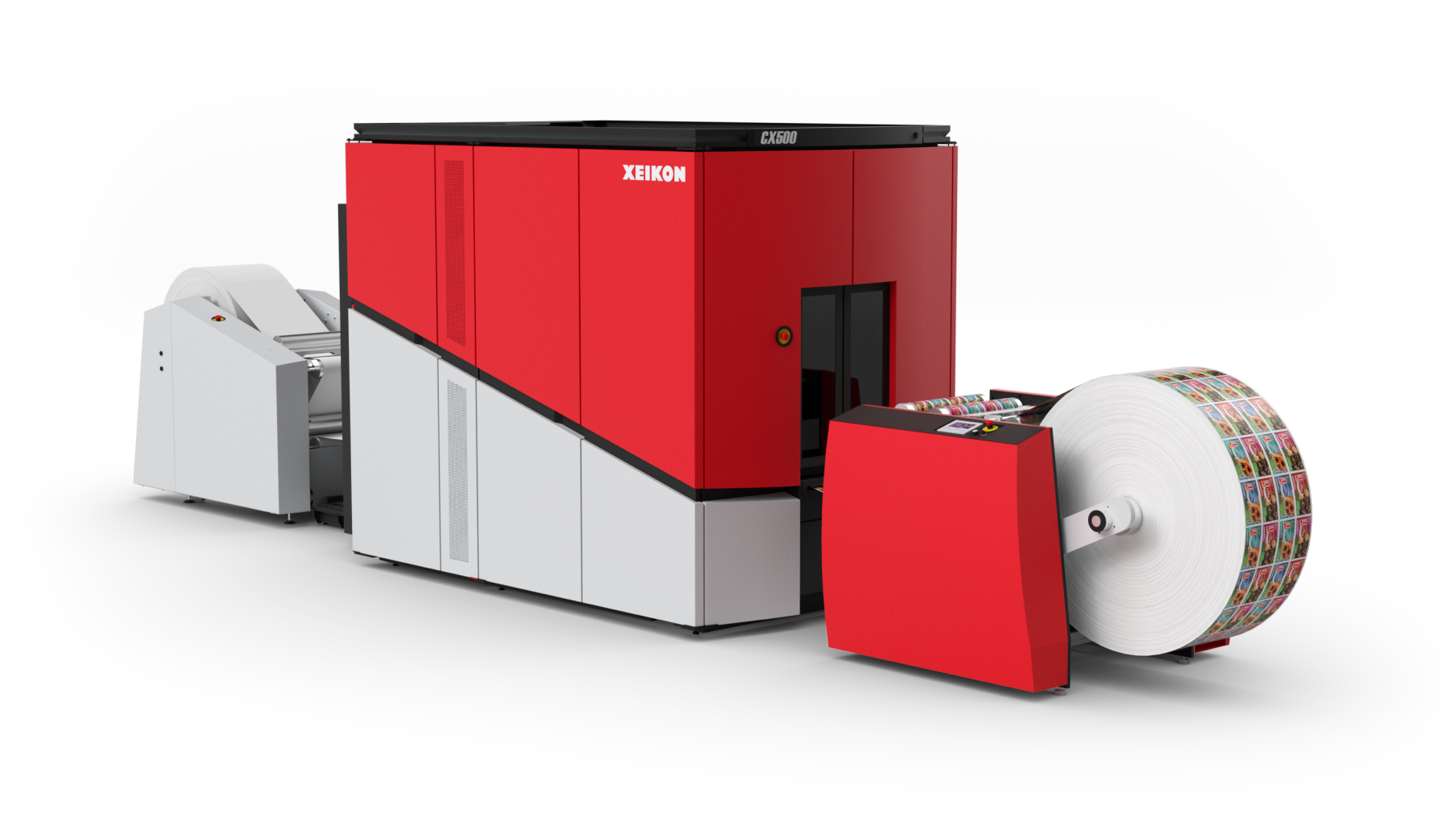
Xeikon CX500 — dry toner press

Dry toner

Best for: Labels on paper and film, books, corrugated packaging, and wallpaper.

Why choose it: Dry particles are fixed by heat. Xeikon highlights fine detail, paper substrates, and low migration for food-related applications. Durability and finishing should be checked on the finished product.

Learn more about the technology →
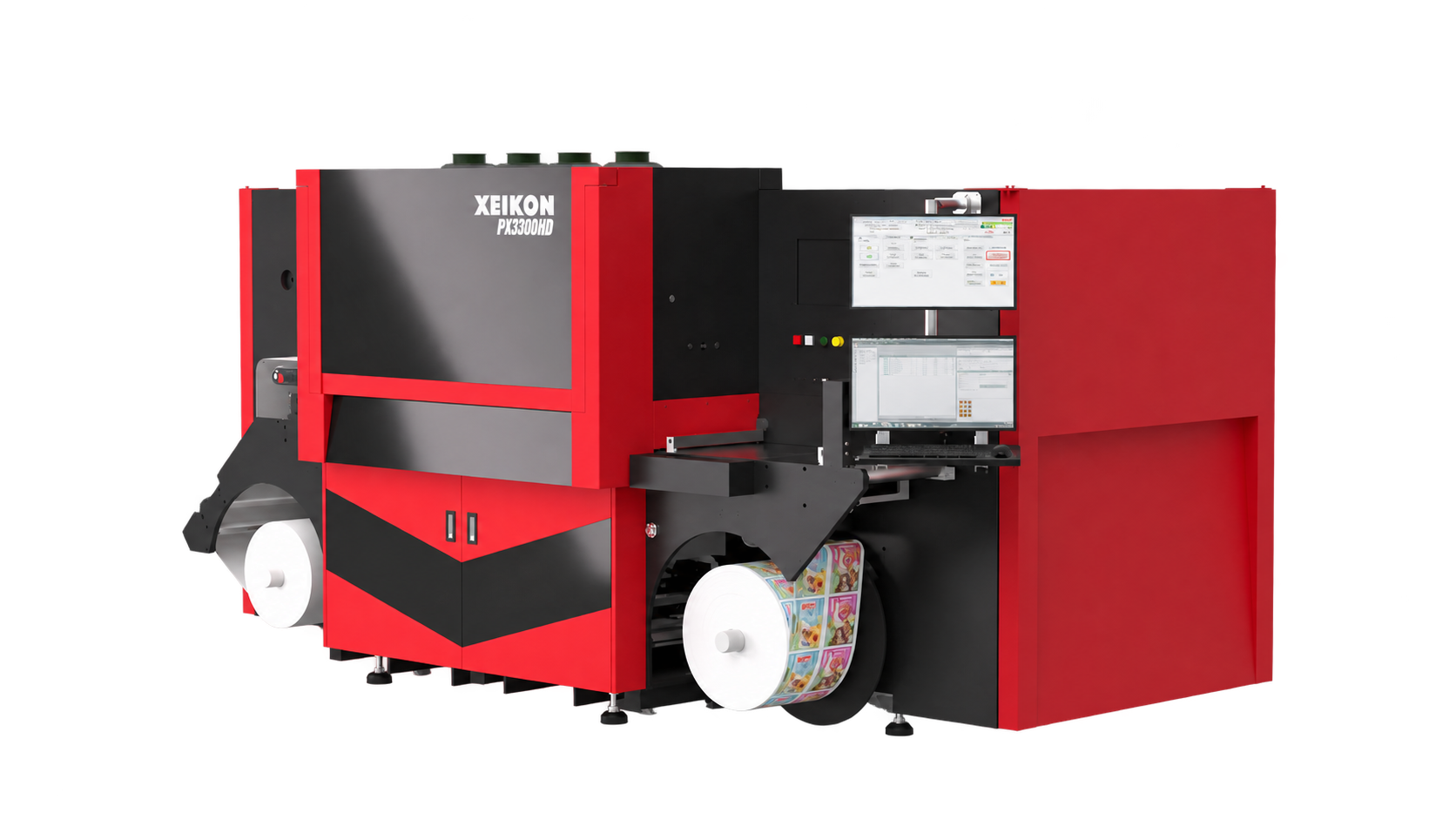
Xeikon PX3300HD — UV inkjet press

UV inkjet

Best for: Labels that need resistance to moisture, chemicals, and abrasion, as well as gloss and tactile effects.

Why choose it: Ink droplets are cured by UV light. For a specific film or paper, check adhesion, degree of cure, and required finishing; for food packaging, assess migration risk separately.

Learn more about the technology →
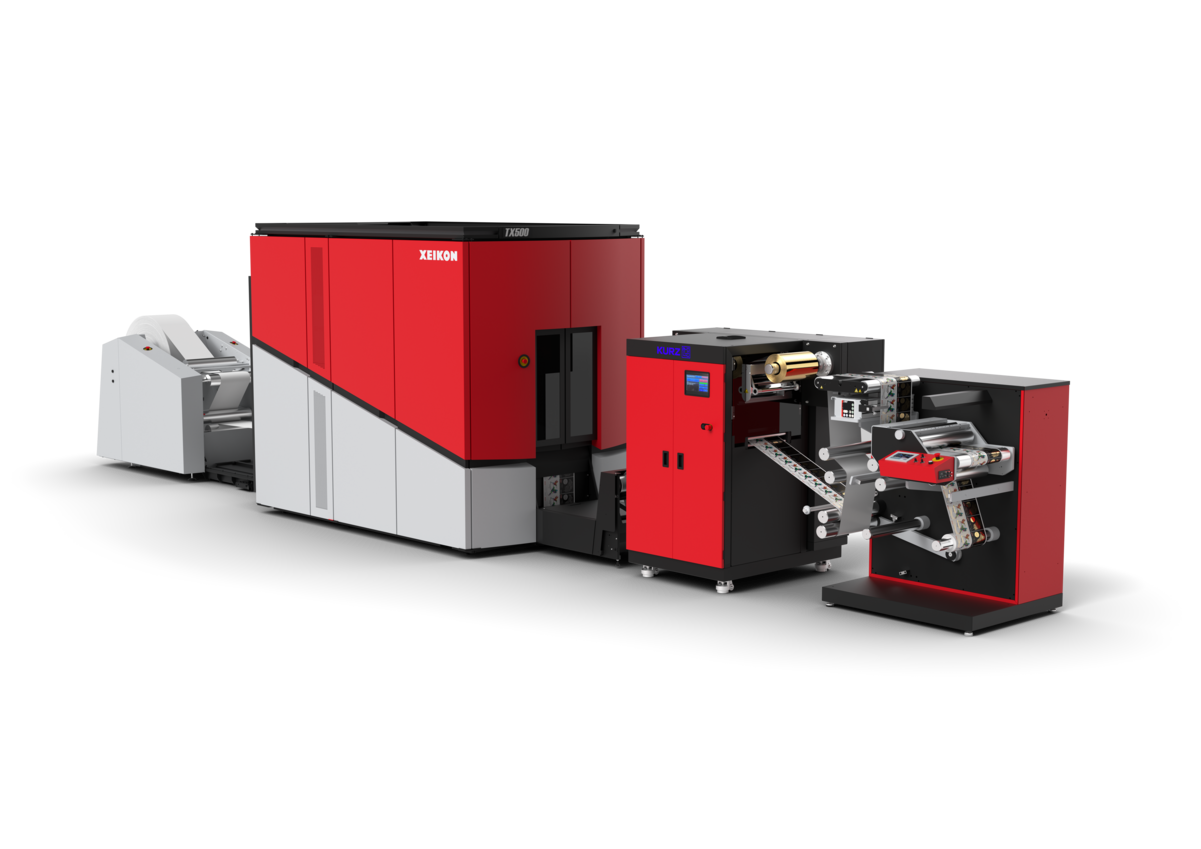
Xeikon TX500 — TITON toner press

TITON: durable dry toner

Best for: Paper-based flexible packaging with heat sealing, and labels requiring image durability and suitability for food-related applications.

Why choose it: Xeikon combines dry-toner properties for food applications with resistance to heat, scratches, and chemicals. The stated solutions may not require protective varnish, but suitability of the complete construction must be confirmed separately.

Learn more about the technology →
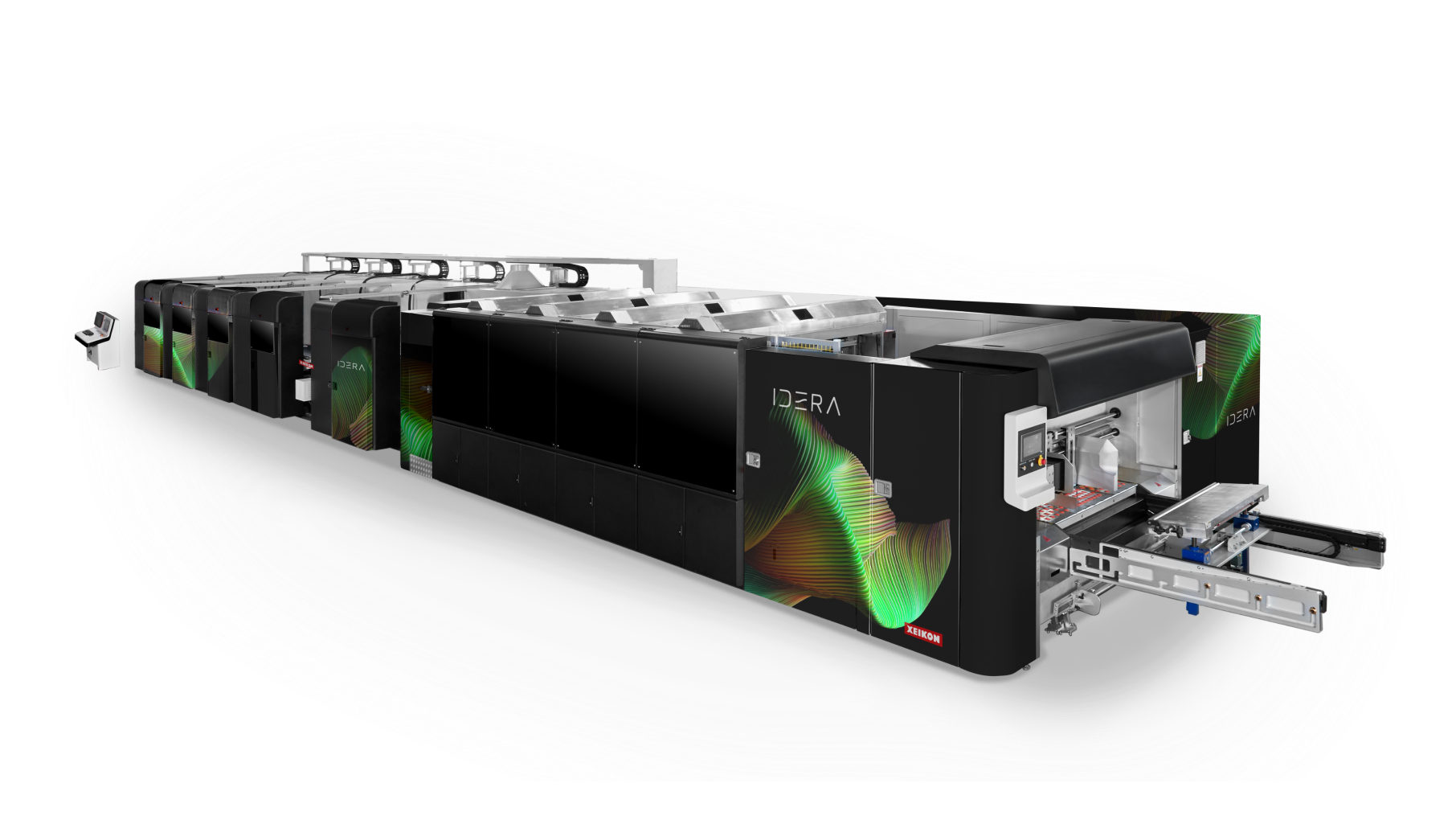
Xeikon IDERA — aqueous inkjet press for corrugated board

Water-based inkjet

Best for: Direct printing on corrugated sheets for transport and consumer packaging.

Why choose it: IDERA applies water-based pigment inks in a single pass. Primer, drying, and varnish depend on the board and box application; food use must be assessed for the specific construction.

Learn more about the technology →

Choosing a technology

Compare the same finished product on your substrate. The way an image is fixed explains why technologies have different strengths and require different checks before production.

TechnologyHow it worksWhy it is chosenWhat to check
Dry tonerToner is transferred to the substrate and fixed with heat.Useful for fine detail, paper and some film substrates, short runs, and variable data.Substrate, fixing, white, finishing, and documentation for the exact toner system.
UV inkjetInk is deposited in droplets and cured by UV light.A durable label is needed on the selected substrate, including under moisture or rubbing.Adhesion, completeness of cure, durability, and component migration risk for food-related use.
TITONA specialist dry toner is fixed with heat.Paper-based flexible packaging needs resistance to heat and mechanical stress.Compatibility with the paper, heat sealing, and the food-use scenario for the complete construction.
IDERA water-based inkjetWater-based pigment inks are applied directly to corrugated sheets.Digital printing on corrugated sheets without printing plates and with design variants is required.Board, primer, drying, varnish, print side, and finished-box requirements.

XEIKON / 21-PAGE GUIDE

How to choose between toner and inkjet printing

A complete Xeikon guide in Russian: printing processes, dot formation, substrates, ink and toner composition, durability, and food packaging requirements. Original diagrams are included.

Read the guide in Russian →

SELECTION CRITERION

If the packaging contacts food

Clarify whether food touches the printed surface directly or whether the image is on the outside, separated from the food by packaging material. In either case, assess the complete construction: substrate, toner or ink, primer, adhesive, varnish, barrier, and production conditions. Requirements and tests depend on the product and market.

Dry toner and TITON

Xeikon describes low migration of dry toner for specific food applications. In the TITON example, confectionery is wrapped in Sappi Seal Silk 67 gsm. The manufacturers reported that this construction needed no additional barrier. Other papers, products and storage conditions require separate checks.

UV inks

For UV inkjet, ink composition, complete curing, and a functional barrier are important: insufficiently cured components may migrate. A label for a food product should not automatically be considered suitable for direct food contact.

Water-based inks for corrugated board

Xeikon positions IDERA as a solution for food corrugated packaging using water-based inks. Check the board type, primer, varnish, print location, and requirements for the finished box; ink characteristics do not replace product testing.

Food-contact conditions

An exterior label on a can or box is not the same as printing on a surface that touches food. In both cases, assess possible migration through the material, transfer between contacting layers, and storage conditions. Direct contact requires separate confirmation for that specific construction and conditions of use.

Xeikon gives an example of UV-printed labels on aluminium cans: during long-term storage of empty cans, volatile substances affected the smell and taste of the beverage after filling. Even a barrier between print and product does not remove the need to assess the entire production chain.

What to request before choosing a press

  • Which side of the packaging is printed, and does the product touch it?
  • What are the substrate, adhesive, primer, varnish, barrier, and exact toner or ink system?
  • What product, temperature, storage duration, and destination market are involved?
  • Which documents and tests confirm that the finished construction is suitable for these conditions?

Basis: Xeikon, A Holistic Approach to Safe Food Packaging (2024); Toner update brochure Drupa, pp. 15–17; Xeikon materials on TITON and IDERA. A manufacturer example is not approval for another construction or direct-contact use.

Basis: current Xeikon materials on choosing dry toner and UV printing, TITON/TX500, and IDERA. Manufacturer claims apply to the specified technologies and configurations; compliance of finished packaging must be confirmed for each project.

Explore the technologies

Let’s compare on your substrate

Send us a sample, substrate, conditions of use, and planned run length. Print Store can help identify a suitable technology and arrange a test on the actual construction.

Discuss your project →