
Dry toner or UV inkjet: choosing a label-printing technology
Start with the finished label when choosing a digital press: where it will be used, what it is printed on, and what conditions it must withstand. The two printing methods serve different needs, so samples matter more than a universal technology ranking.
What happens to the image
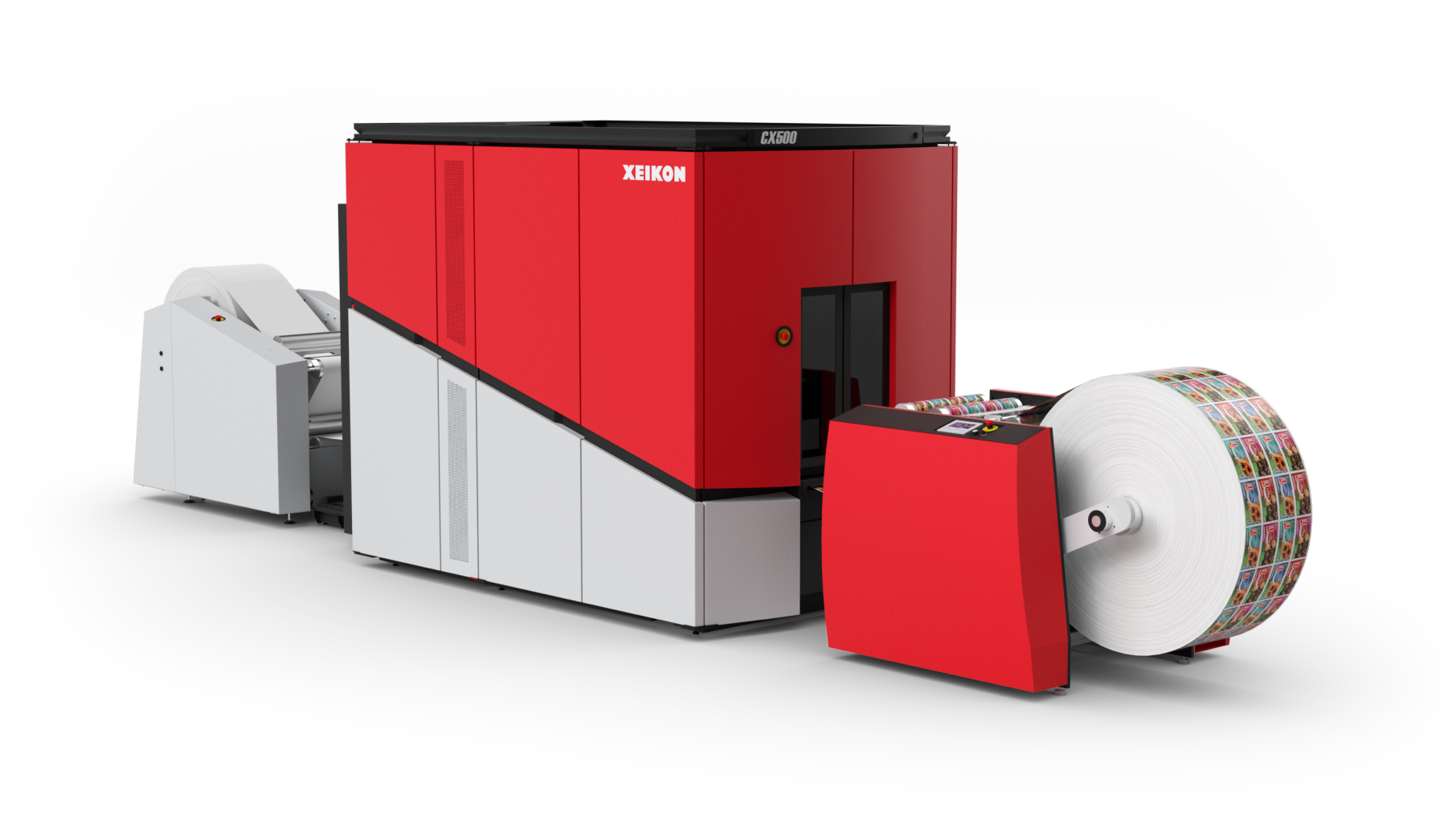
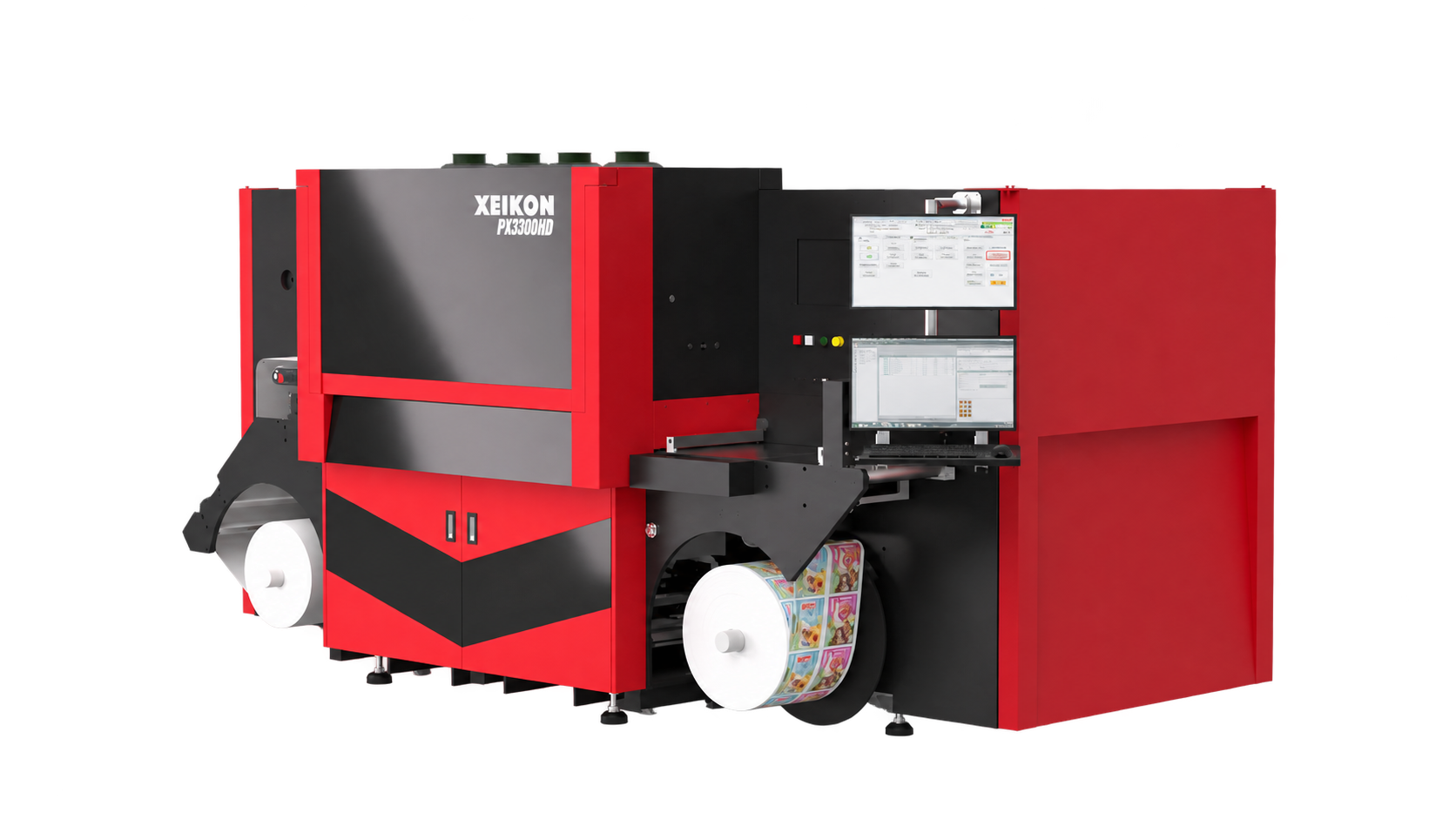
In toner printing, dry particles are transferred to the substrate and fixed with heat. In a UV inkjet system, ink droplets are deposited directly onto the substrate and then cured by UV light. As a result, the technologies behave differently on paper, film, and textured substrates. The final choice depends on the specific substrate and press.
Durability and appearance
For a label exposed to moisture, chemicals, or rubbing, test UV inkjet on the actual substrate. If fine detail, a paper base, or a particular texture matters, compare a dry-toner sample. Assess white, gloss, feel, and the need for varnish or lamination on the finished construction—not from press specifications alone.
Food labels need a separate assessment
Xeikon lists dry toner as a possible choice for food applications, but a specific label’s suitability depends on the entire construction: substrate, adhesive, finishing, contact conditions, and finished-product requirements. The technology name alone is not an approval for food packaging.
What to send for comparison
Prepare a label sample and specify the substrate, size, number of design variants, run lengths, white requirements, finishing, and conditions of use. For durable labels, describe exposure to water, household chemicals, or abrasion. This information can help select presses for test printing and compare results on your substrate.
Send artwork and a substrate sample with the format and run size. We will use them to select the press and finishing equipment.
Compare technologies for our label ↗